Prostate health is an essential aspect of men’s overall well-being, particularly as they age. The prostate represents a small gland located just below the bladder. It is highly important for maintaining sexual function and urinary control. However, like many parts of the body, it is susceptible to problems such as enlargement, inflammation, and prostate cancer. Among the many strategies for maintaining a healthy prostate, one of the most effective yet often overlooked is the practice of Kegel exercises for self-care. This article explores Kegel exercises, their history, benefits for prostate health, complementary lifestyle approaches, including diet and herbs, and substances that may harm the prostate.
Along with that, the text aims to educate men about the main advantages and benefits that come with the regular practice of the Kegel exercises. If you want to take care of your protate you can rely on natural products like Uro Shield. Keep reading and explore all the information that we have prepared for you in this article.
Table of Contents
Who Was Kegel? The History Behind the Exercises
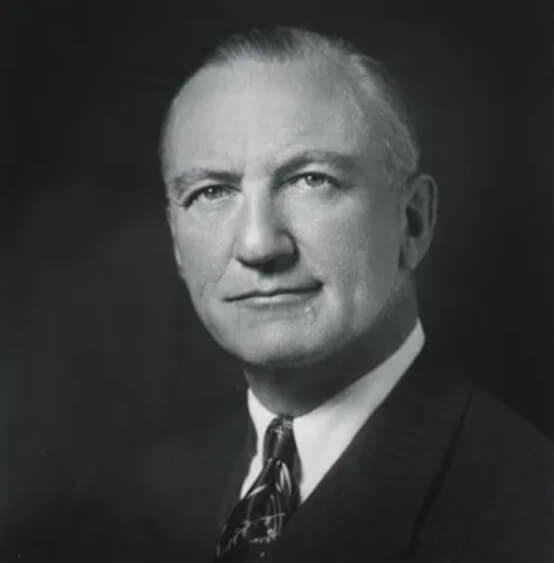
Kegel exercises are named after Dr. Arnold H. Kegel. He was an American gynecologist who introduced these exercises in the 1940s. Originally, Dr. Kegel developed this regimen to help women strengthen their pelvic floor muscles after childbirth, thereby improving bladder control. However, over the decades, researchers discovered that men could also benefit significantly from these exercises. For men, especially those facing prostate issues, Kegel exercises help maintain muscle tone in the pelvic region, which can support urinary and sexual function. Understanding Dr. Kegel’s work provides context for why these exercises have stood the test of time and remain a foundational element in men’s health.
Understanding the Prostate and Its Health
The prostate is a walnut-sized gland that surrounds the urethra, the tube through which urine exits the body. Its primary function is to produce seminal fluid, which nourishes and transports sperm. As men age, the prostate can undergo changes that may lead to benign prostatic hyperplasia (BPH), prostatitis, or even prostate cancer. Symptoms of prostate issues often include frequent urination, difficulty starting or stopping the flow of urine, a weak urine stream, or discomfort in the pelvic region.
Maintaining prostate health involves a combination of lifestyle choices, diet, exercise, and sometimes medical interventions. Among the non-invasive methods, Kegel exercises have emerged as a practical approach to support prostate function and improve urinary control.
What Are Kegel Exercises?
Kegel exercises involve contracting and relaxing the pelvic floor muscles, which support the bladder, rectum, and, in men, the prostate. The primary goal of these exercises is to strengthen the muscles that control urination and ejaculation, thereby reducing symptoms associated with prostate issues such as urinary incontinence and weak bladder control.
To perform a Kegel exercise, men first need to identify the correct muscles. One common method is to try stopping urination midstream; the muscles used to do this are the pelvic floor muscles. Once identified, the exercise involves contracting these muscles for a few seconds, then relaxing for an equal amount of time. Repeating this process multiple times a day gradually strengthens the pelvic floor.
Benefits of Kegel Exercises for Men
Improved urinary control – strengthening the pelvic floor muscles helps men manage urinary incontinence, which can be a common issue after prostate surgery or with age-related prostate enlargement;
Enhanced sexual function – Kegel exercises can increase control over ejaculation and may improve erectile function by enhancing blood flow to the pelvic region;
Support after prostate surgery – men who undergo procedures such as prostatectomy often face temporary or long-term urinary problems. Kegel exercises are a recommended rehabilitation tool to restore muscle tone;
Prevention of pelvic floor weakness – regular exercise of these muscles can help maintain overall pelvic health, preventing complications that may arise from muscle weakening.
How to Perform Kegel Exercises Correctly
To maximize the benefits, men should follow a structured approach to Kegel exercises:
Identify the pelvic floor muscles – as mentioned, the easiest way is to attempt stopping urine midstream. These are the muscles to target;
Assume a comfortable position – initially, lying down may be easiest, but eventually, the exercises can be performed sitting or standing.
Contract and hold – tighten the muscles and hold for 5 seconds. Beginners may start with shorter durations.
Relax and repeat – slowly release the contraction and rest for 5 seconds. Repeat this cycle 10–15 times per session.
Consistency – performing these exercises 3 times a day is recommended for noticeable results over weeks.
Advanced Kegel Techniques for Men
Once the basic Kegel exercises become comfortable, men can incorporate advanced techniques to further strengthen the pelvic floor muscles and improve prostate health. Advanced Kegel exercises focus on endurance, coordination, and control.
Long-hold Kegels – instead of holding for 5 seconds, aim to contract the pelvic floor muscles for 10–15 seconds, followed by a 10-second rest. This builds muscular endurance and supports better urinary control;
Rapid contractions – quickly contract and release the pelvic floor muscles 10–20 times in a row. This enhances neuromuscular responsiveness, which can improve control during sudden urges to urinate;
Elevator exercise – visualize your pelvic floor muscles as an elevator that moves floor by floor. Slowly contract muscles in stages—tighten slightly, then tighter, then the tightest—and reverse the process. This technique increases muscle awareness and fine control;
Integration with core exercises – combining Kegels with exercises such as bridges, planks, or squats can further strengthen pelvic stability and improve overall core strength, indirectly supporting prostate function.
Consistency with these advanced techniques over weeks to months can produce noticeable improvements in urinary control, sexual function, and pelvic floor endurance.
Scientific Evidence Supporting Kegel Exercises for Prostate Health
Research consistently highlights the benefits of Kegel exercises for men, particularly in the context of prostate health. Several studies have demonstrated that men who practice regular pelvic floor exercises experience improvements in urinary incontinence following prostate surgery. For instance, a study published in the Journal of Urology found that men performing Kegel exercises before and after radical prostatectomy regained urinary control significantly faster than those who did not.
Research in BJU International indicated that Kegel exercises also contribute to enhanced erectile function by promoting blood flow and muscle strength in the pelvic region. Evidence suggests that Kegels may reduce the severity of overactive bladder symptoms in men with benign prostatic hyperplasia (BPH), offering a non-pharmacological approach to symptom management.
These findings underscore the value of Kegel exercises not just for rehabilitation after surgery but also as a preventive measure for age-related pelvic floor weakening.
Combining Kegels with Other Healthy Lifestyle Practices
While Kegel exercises are powerful, their benefits are amplified when combined with a holistic approach to prostate health:
Regular physical activity – aerobic exercise such as walking, swimming, or cycling improves circulation, reduces inflammation, and maintains a healthy weight, factors that support prostate health;
Healthy diet – integrating Kegels with a diet rich in fruits, vegetables, whole grains, and healthy fats enhances the overall protective effect on the prostate. Foods rich in antioxidants, omega-3 fatty acids, and phytonutrients contribute to reducing inflammation and oxidative stress;
Stress management – chronic stress can impact hormonal balance, inflammation, and urinary function. Practices like meditation, yoga, or deep breathing, along with Kegel exercises, can enhance pelvic floor performance;
Regular medical check-ups – men should monitor prostate health through routine check-ups, including PSA testing when appropriate. Early detection of issues combined with lifestyle interventions like Kegels improves long-term outcomes.
By integrating Kegel exercises with these lifestyle habits, men can adopt a proactive approach to maintaining both prostate and overall health. Add to your lifestyle and natural products like Urosaf.
Herbs for Prostate Health
In addition to Kegel exercises, certain herbs have shown promise in supporting prostate health:
Saw Palmetto – one of the most well-researched herbs, saw palmetto may help reduce symptoms of BPH and improve urinary function;
Pygeum – extracted from the African plum tree, pygeum may alleviate urinary problems and support overall prostate health;
Stinging nettle – often used in combination with other herbs, stinging nettle may reduce inflammation and improve urine flow;
Green tea extract – rich in antioxidants, its compounds can protect prostate cells from oxidative stress and may lower the risk of prostate cancer.
It’s important to consult with a healthcare provider before starting herbal supplements, as they can interact with medications and vary in quality.
Foods That Support Prostate Health
Diet plays a highly important and critical role in maintaining prostate health. Certain foods have been linked to a reduced risk of prostate issues:
Tomatoes – contain lycopene, an antioxidant that may lower the risk of prostate cancer;
Cruciferous vegetables – broccoli, cauliflower, and Brussels sprouts contain compounds that may reduce cancer risk and support overall prostate function;
Fatty fish – salmon, mackerel, and sardines are high in omega-3 fatty acids, which have anti-inflammatory properties beneficial to the prostate;
Berries – blueberries, strawberries, and raspberries are rich in antioxidants, protecting prostate cells from damage;
Nuts & seeds – pumpkin seeds and walnuts provide essential nutrients like zinc, important for prostate health.
Substances to Avoid for Prostate Health
On the other hand, certain substances may negatively impact prostate function and should be limited or avoided.
These are:
Excess red meat – high consumption of red and processed meats has been associated with an increased risk of prostate problems;
High-fat dairy products – some studies suggest a link between high-fat dairy intake and prostate cancer risk;
Alcohol – excessive alcohol can exacerbate inflammation and worsen urinary symptoms;
Caffeine – while moderate intake may be safe, high caffeine consumption can irritate the bladder and increase urinary frequency;
Refined sugars and processed foods – these can contribute to obesity and inflammation, indirectly affecting prostate health.
Including Kegel Exercises Into Your Daily Life
One of the advantages of Kegel exercises is that they are discreet and can be done almost anywhere. Men can perform them while sitting at a desk, watching television, or even during daily chores. Consistency is more important than duration; small, frequent sessions yield better results than occasional long workouts. Integrating Kegels with other lifestyle strategies—like a balanced diet, regular exercise, and stress management—offers the most comprehensive approach to maintaining prostate health.
Conclusion – Integrating Kegels Into a Holistic Approach to Prostate Health
Kegel exercises offer men a simple, non-invasive way to strengthen pelvic floor muscles, improve urinary control, and support sexual function. When combined with a diet rich in antioxidants, healthy fats, and essential nutrients, along with herbs and lifestyle modifications, these exercises form part of a holistic approach to maintaining prostate health. Avoiding harmful substances such as excessive red meat, high-fat dairy, alcohol, and caffeine further enhances these benefits.
While Dr. Arnold Kegel’s original work focused on women’s health, the application of his techniques to men has transformed how we approach prostate wellness today. Whether as a preventive measure, a rehabilitative tool post-surgery, or a daily practice to enhance sexual and urinary function, Kegel exercises remain a cornerstone of men’s health strategies.
By committing to regular practice, integrating supportive foods and herbs, and avoiding harmful habits, men can proactively protect their prostate, improve their quality of life, and reduce the risk of long-term complications. Ultimately, Kegel exercises are a small daily investment with substantial benefits that extend far beyond the pelvic floor, contributing to overall well-being and vitality.
Suzan Hornick is a master's student in pharmacy at the Faculty of Medicine in London, majoring in Pharmacy and Cosmetology. She combines her love for chemical elements and writing with her work in the editorial office of OfficialProdReview.com. During her education, she participated in countless Olympiads and creative writing competitions. She is the winner of numerous awards for the best short story. Her interest in cosmetology led her to enroll in postgraduate studies and pursue a career in the creation of well-known beauty, health and weight loss products.